
Friendships for Neurodivergent Adults Group
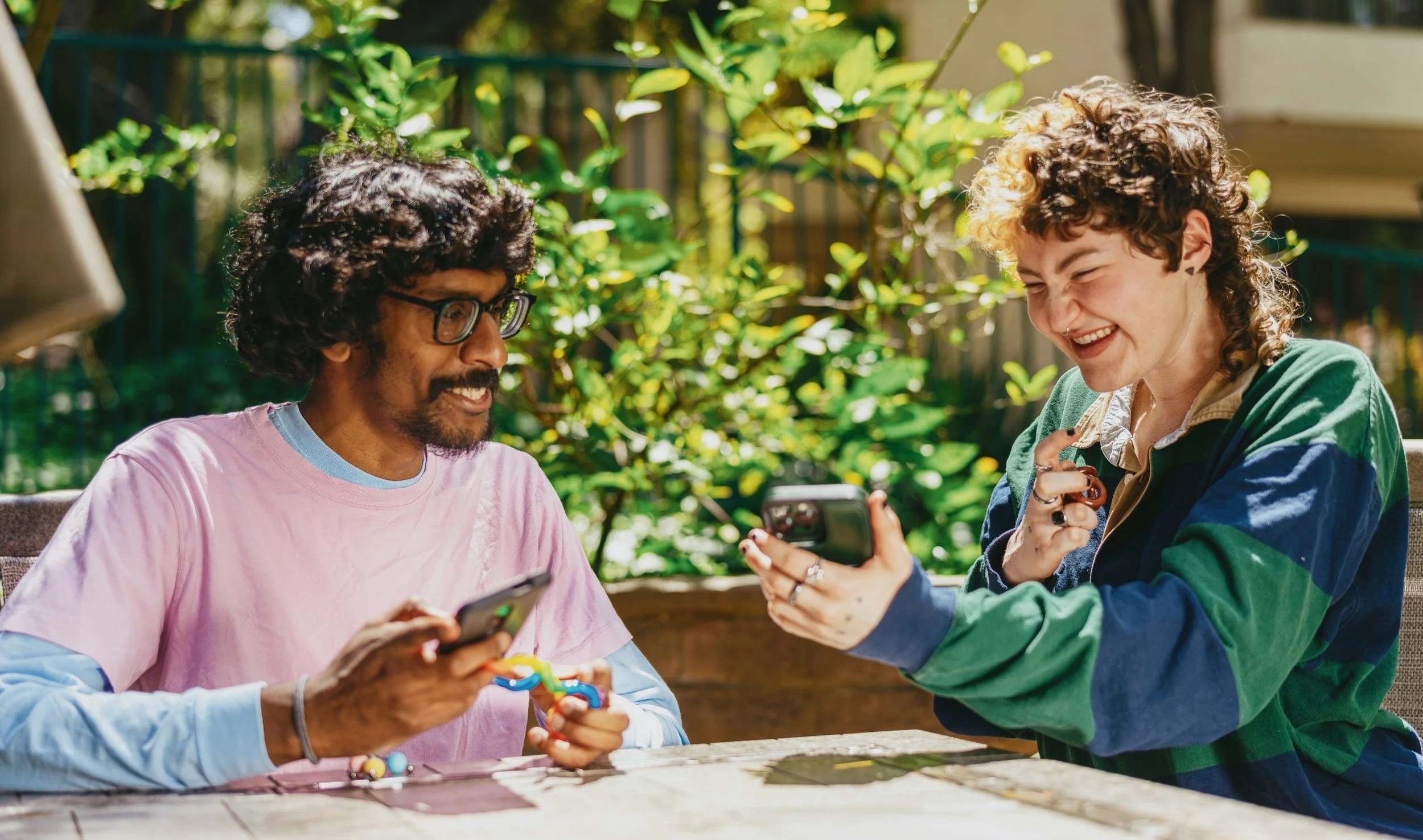
Are you a neurodivergent adult looking to build meaningful friendships or better understand how to navigate social relationships?
This 10-session psychoeducational and skills-based group is designed to help neurodivergent adults develop a deeper understanding of friendship, communication, and relationship dynamics. Together, we'll explore practical, evidence-based strategies for initiating and maintaining friendships, setting healthy boundaries, navigating social uncertainty, and building authentic, sustainable connections. Facilitated by HealATL therapist Morgan Daniels, M.S, APC this group offers a supportive, neurodiversity-affirming environment where participants can learn, reflect, and practice new skills at their own pace.
ALL THE DETAILS
📍Hosted Virtually
🗓️ Start Date: Sept. 15, 2026
⏰ Time: Meeting 10 consecutive Tuesdays from 6:00pm-7:15pm
👥 Who It’s For: Neurodivergent Adults 18+
📩 Ready to join us? Reserve your spot below by submitting an inquiry form to get started!
Must sign up prior to start date to join. Group closes after Sept. 15th, 2026.
This is an intimate group with limited spots available.
This group supporst consistency, rapport-building, and progressive skill development.
Each session will include structured psychoeducation, guided discussion, and experiential learning activities.
Participation in exercises is optional; observation is acceptable.
Members are encouraged to engage at their own pace and comfort level.
Questions, requests for clarification, and repetition of concepts are expected and encouraged.
Real-life application of skills between sessions is encouraged but not required.
Members may be invited to share relevant friendship experiences to support learning and generalization of concepts.
Each session will follow a consistent structure:
Check-In: A brief community-building prompt to support engagement and connection (e.g., “If your friendships were a color, what color would they be?”)
Psychoeducation/Skill Introduction: Presentation of the weekly topic or skill
Skill Practice Activity: Structured exercise to apply and reinforce the skill
Group Discussion/Reflection: Processing observations, challenges, and connections to real-life experiences
Closing: Summary of key concepts and brief grounding to end session
Group Rate:
$50 PER SESSION
(DUE AT TIME OF SESSION)
OR $450 FLAT FEE

Tentative 10-Week Curriculum
Topics are subject to change based on the needs and interests of the group.
Week 1: Understanding Our Friendship Experiences
Introductions and group expectations
Anonymous Mentimeter activities exploring
current friendship experiences, strengths, and challenges
What does friendship mean to you?
Week 2: Understanding Friendship
Different types and stages of friendships
Expectations vs. reality
What makes a healthy friendship?
Week 3: Getting Started
Meeting new people
Initiating conversations
Building confidence in social interactions
Week 4: Building Connection
Maintaining conversations
Reciprocity in friendships
Showing interest while remaining authentic
Week 5: Communication Styles
Direct vs. indirect communication
Neurodivergent communication differences
Clarifying misunderstandings
Week 6: Boundaries and Balance
Setting healthy boundaries
Respecting others' boundaries
Managing expectations within friendships
Week 7: Navigating Social Challenges
Rejection and disappointment
Social anxiety and uncertainty
Coping with changes in friendships
Week 8: Conflict and Repair
Addressing misunderstandings
Repairing friendships when appropriate
Knowing when to let go
Week 9: Maintaining Meaningful Friendships
Staying connected
Managing social energy and burnout
Building sustainable relationships
Week 10: Looking Ahead
Reflecting on growth
Developing a personalized friendship plan
Celebrating progress and identifying next steps
Content and discussions may include, but are not limited to:
Initiating and maintaining conversations
Understanding different friendship stages (acquaintance → friend → close friend)
Reciprocal communication and balance in relationships
Boundaries, consent, and emotional safety in friendships
Interpreting direct vs. indirect communication styles
Managing rejection, ambiguity, or social uncertainty
Repairing misunderstandings and conflict resolution
Social energy management and pacing interactions
Recognizing healthy vs. unhealthy friendship dynamics
Each session will include psychoeducation, guided discussion, interactive activities, and opportunities for reflection. While the group follows a structured curriculum, topics and discussions may be adapted based on the needs and experiences of participants.
The first session will focus on getting to know one another and establishing a shared understanding of friendship. Participants will complete interactive activities to anonymously explore their current experiences, challenges, and feelings about friendships. These responses will help shape discussions throughout the remainder of the group.
